As we turn the page on a new year, many of us reflect on personal goals, improving our health, renewing our focus, rebalancing work and life.
For brand stewards, January offers the perfect moment to ask: is your brand still where you want it to be? Do your consumers see what you intend, or has the world outgrown your brand’s current stance?
Rebranding vs Brand Repositioning
Brand repositioning isn’t just a cosmetic refresh. It’s a deliberate shift in how your brand is perceived, to ensure it remains relevant, competitive, and meaningful. This involves clarifying your brand’s core purpose, defining who you serve, and pinpointing how and where you deliver on your promise. This shift can affect everything from messaging and media touchpoints to visual identity.
While repositioning is about shifting perceptions and market positioning, rebranding involves a broader change to a brand’s identity, which tends to be visual and identity-focused.
This could include changes to the logo, tagline, visual elements, messaging, and even the company's name. It’s often done to refresh or completely transform the brand's image, usually in response to changes in the market, a shift in target audience, or a need to update the brand’s values.
Example: Curio Wellness refreshed brand identity and tagline to reinforce its positioning and product strategy in health and wellness.

Why Now Might Be the Right Time
Here are seven developments we see more frequently today, any of which may signal that your brand is due for a strategic reposition:
1. Competitive intensity continues to surge. Direct-to-consumer, digitally native brands and agile challengers keep pressing into traditional retail and wellness channels, making differentiation harder, and price-driven competition more likely. Legacy brands risk being perceived as interchangeable.
2. Market share is slipping with no clear recovery. Whether demand is shifting, new players are emerging, or existing offerings aren’t delivering relevance, a persistent drop in share should prompt deeper reflection.
3. Price is replacing brand value in purchase decisions. If consumers begin selecting primarily on price, your brand equity and profitability may be eroding. That’s a dangerous race to the bottom.
4. Consumer behaviors or expectations are shifting fast. Trends like plant-based diets, remote wellness, digital-first care, or sustainable consumption continue to reshape what consumers expect from health and wellness brands. If your positioning doesn’t evolve with these shifts, you risk falling behind.
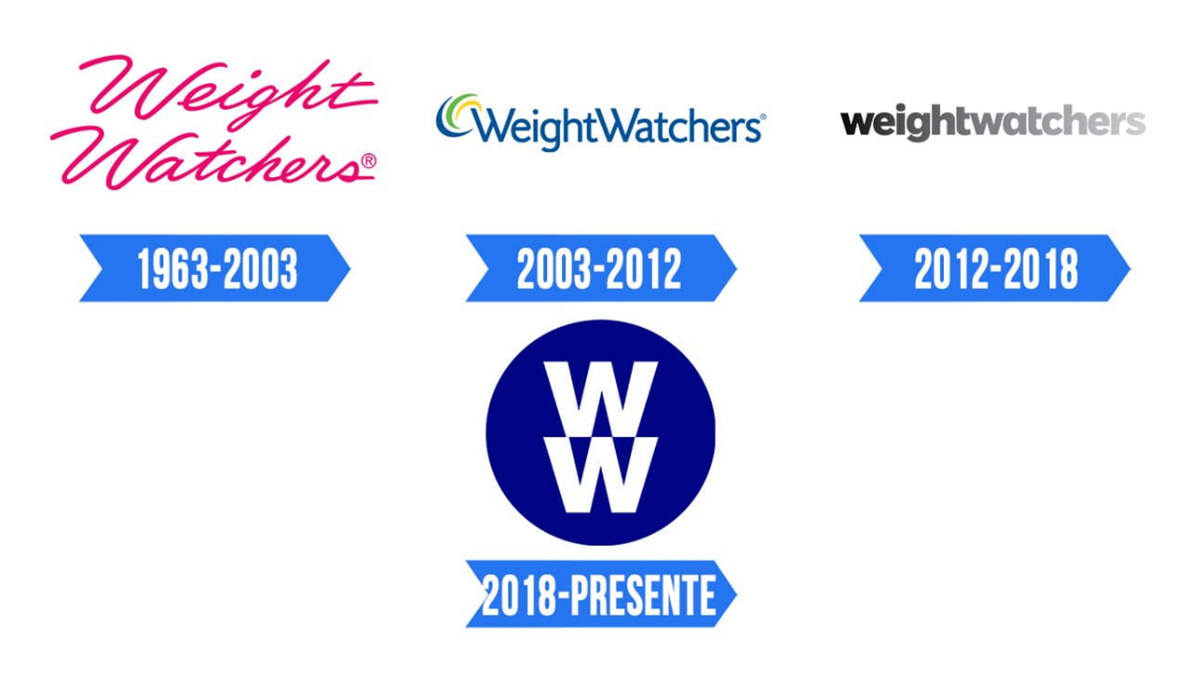
Example: As consumers moved away from strict dieting and toward holistic wellness, body positivity, and sustainable lifestyle support, Weight Watchers dropped “Weight” from its name, reframed itself around overall health, behavior change, and long-term wellness, and expanded its offering to include mental health, sleep, and habit-building components.
5. New segments or markets are emerging that you want to serve. Whether it’s younger consumers, new geographies, or previously underserved niches, expanding your footprint may require repositioning to meet different expectations.
6. Your portfolio is stretching into new categories or channels. If your brand is branching into new categories (e.g., from supplements into functional food or pet health) or new channels (e.g., from DTC to retail), you may need a reposition to ensure coherence and impact.
7. Your brand expression feels dated or disconnected from current values. As cultural conversations evolve around sustainability, equity, wellness, and authenticity, your brand’s tone, look, and voice need to evolve in kind. If your expression feels stuck in the past, consumers may no longer connect.
What to Do Before You Reposition
Repositioning can open significant growth pathways, but it must be done thoughtfully:
• Honor your core customers. Even if you’re targeting new audiences, your existing consumers help sustain the brand during transition. Treat them with care.
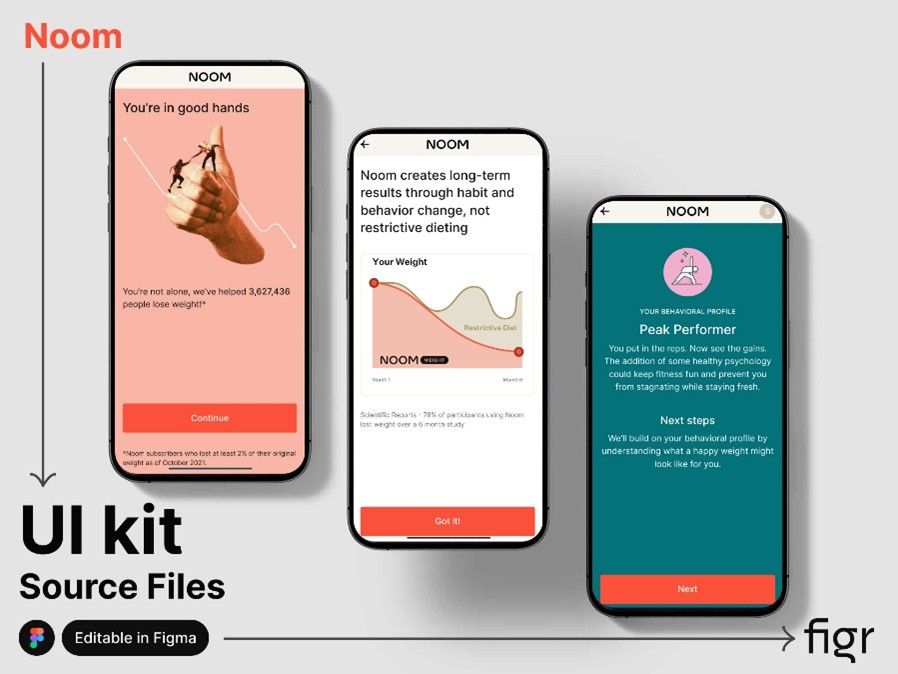
Example: Noom shifted from a primarily weight-loss program to a broader whole-person health platform that includes metabolic health, stress, and lifestyle support. They kept their psychology-based coaching and behavior-change framework intact, which reassured their long-time users. The result expanded their audience without distancing the customers who helped define the brand.
• Ground your repositioning in real insight. Don’t guess what the market wants. Leverage consumer research, competitive audits, and channel/market analysis to shape a strategy rooted in data and trends.
• Test before you commit. Small-scale qualitative and quantitative validation with both loyal and prospective customers can reveal whether your new positioning resonates or needs further refinement.
• Define and track the right metrics. If you’re not measuring brand health (awareness, perception, loyalty), now is the time. A “before” baseline ensures you can gauge the real impact of any repositioning.
Closing Thoughts
As we head into 2026, the strongest brands will be the ones willing to pause, reassess, and realign with what today’s consumers truly value. If your brand is sensing a shift or preparing for one, now is the moment to take a closer look.
At Compass Marketing, we help teams clarify their position, protect what’s working, and build the pathway toward what’s next.

Annette is skilled at identifying growth opportunities and successfully guiding products from concept to launch. At Compass, she advises leading brands and category disruptors in the health & wellness, personal care and digital health sectors.
See All Works