When it comes to sleep, my spouse and I are competitive. Each morning, we compare who tossed and turned more often. Sleep tracking devices added fuel to the fire.
Apparently, we are not alone.
Sleep has moved to the center of the wellness conversation in a way that feels both overdue and accelerated. Roughly one in three U.S. adults is not getting enough of it, and the downstream effects are showing up everywhere, from cognitive performance to emotional resilience to long-term health outcomes.
For years, brands have responded with better individual solutions. A more advanced mattress. A more targeted supplement. A more precise tracker.
That model is evolving. Across categories, sleep is being reimagined as a continuous experience that can be guided, measured, and improved from the moment you begin to wind down to the way you wake up the next morning.
Technology is playing a central role, but so are behavior, environment, and ritual. The result is a more holistic, more connected, and more dynamic approach to rest.
The Wind-Down | Preparing the Mind and Body Before Sleep

The sleep journey now starts well before you get into bed. The period leading up to sleep has become an intentional space where we are actively shaping how quickly and how deeply we will rest. This has created a growing set of solutions designed to help the body and mind transition more smoothly into sleep.
Nutrition is one of the more visible entry points. Magnesium blends, tart cherry formulations, and hemp-derived products have become part of evening routines for many consumers. Brands like Beam’s Dream and First Day’s Nighttime Reset have leaned into this behavior by positioning sleep as a nightly ritual that can be supported consistently, not just addressed occasionally.

The environment is evolving as well. Lighting systems such as Philips Hue and products like the Casper Glow are designed to mimic natural sunset patterns, gradually signaling the body to prepare for rest. At the same time, audio platforms like Calm and Headspace are helping consumers lower cognitive load through guided sessions that reduce anxiety and mental stimulation. These cues are increasingly layered together, creating a more immersive transition into sleep.

A newer layer is beginning to emerge through neuro-stimulation. Devices from companies like Somnee and Neurovalens are exploring how targeted stimulation can shorten the time it takes to fall asleep. While still early, they point to a future where pre-sleep readiness can be actively tuned rather than passively awaited.
The Deep Dive | Enhancing the Quality of Sleep
Once asleep, a different layer of innovation takes over. The focus shifts from preparation to optimization, with technology quietly monitoring and adjusting conditions throughout the night.
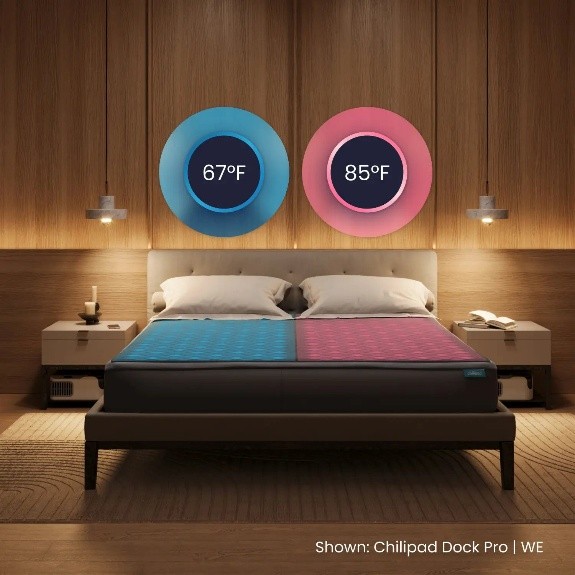
The bed itself has become a platform for innovation. Companies like Sleep Number and Eight Sleep embed sensors and temperature controls directly into the sleep surface. These systems respond dynamically to biometrics, making adjustments that are designed to support deeper and more consistent rest.
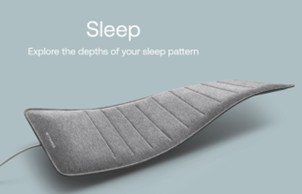
Monitoring is also expanding beyond wearables. Nearable devices, such as the under-mattress sleep sensor from Withings, allow consumers to capture heart rate, breathing patterns, and movement without needing to wear anything at all. This reduces friction and encourages compliance.
Intervention during sleep is becoming more sophisticated as well. Products use sound cues to influence slow-wave sleep, while temperature systems from ChiliSleep maintain a consistent sleep climate across the night.
The boundary between consumer wellness and medical-grade support continues to blur. Devices such as the Apple Watch are now capable of detecting signs of sleep apnea, and companies like ResMed are using AI to improve adherence to treatment through more personalized experiences.
The New Dawn | Rethinking the Wake-Up Experience
Getting up in the morning is no longer defined by an annoying alarm. It is increasingly seen as an extension of the sleep experience, one that can influence how the entire day unfolds.
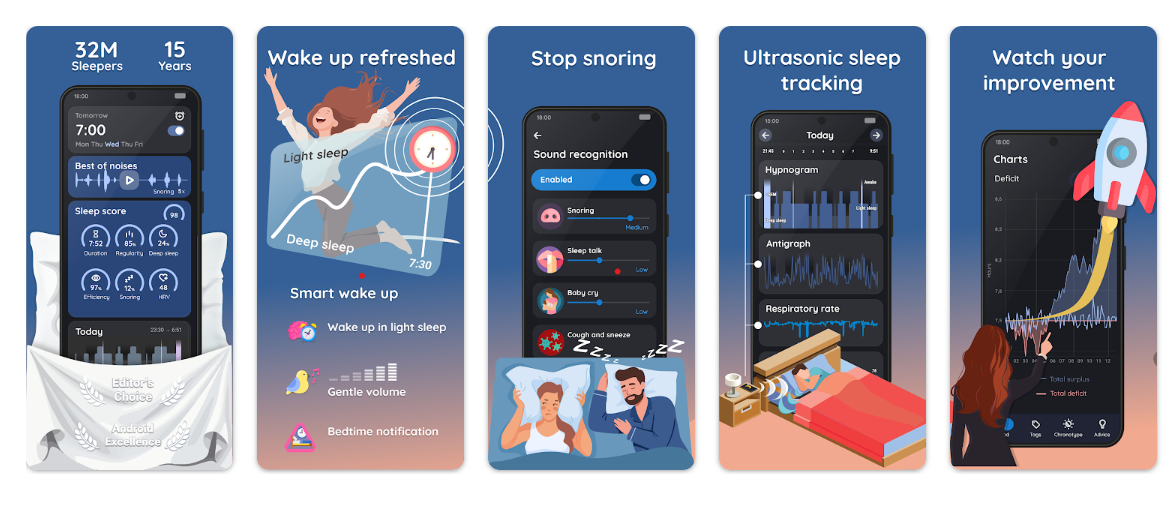
Smart alarms are becoming more adaptive. Apps like Sleep as Android and Sleepwave analyze sleep cycles and aim to wake users during lighter stages of sleep. Light-based systems from Philips simulate sunrise, easing the transition into wakefulness.
Wearables prepare you for the day ahead. Devices such as the Citizen CZ Smartwatch and platforms like WHOOP provide insights into expected energy levels and fatigue patterns for the day ahead. This allows consumers to anticipate how they will feel and plan accordingly.
Overlaying all of this is a growing layer of coaching. Platforms like Oura Health and Rise Science are using historical data to guide future behavior. Recommendations are becoming more personalized, more timely, and more actionable.
What This Means for Brand Leaders
• Sleep is becoming a connected system
Across the full journey, sleep is evolving into an integrated experience that brings together products, environments, behaviors, and data. This shift is reshaping how growth and innovation need to be approached.
• The competitive set is expanding
Sleep now intersects with supplements, consumer electronics, home environments, and digital health platforms. Brands are increasingly competing alongside players that originate from very different categories and capabilities.
• Consumers are prioritizing outcomes
The focus is moving toward how well a solution improves sleep quality and next-day performance. This places greater importance on measurable impact and clear, perceived effectiveness.
• Integration is becoming a growth lever
Brands that connect with other parts of the sleep journey through partnerships, shared data, or complementary offerings can extend their role and remain more relevant over time.
• Coaching is adding a new layer of value
Guidance that helps consumers make small, meaningful adjustments is driving deeper engagement. This is where technology, content, and product begin to converge into a more continuous relationship.
• Platform thinking is emerging as a strategic advantage
Leading brands are starting to think beyond singular products. They are exploring how to show up across multiple touchpoints, connect different parts of the sleep experience, and create value over time through a more ecosystem-driven approach.
Where This Leaves Us
Sleep is becoming one of the most dynamic frontiers in wellness. It touches nearly every aspect of daily life, from how consumers feel when they wake up to how they perform, recover, and age over time.
For brand leaders, this is a moment to step back and reassess the role their brand can play. Where do you naturally fit within the sleep journey? How might you extend into adjacent moments? What would it look like to contribute to a more complete experience?
At Compass Marketing, we spend a great deal of time helping brands navigate exactly these kinds of shifts. It starts with understanding how consumer expectations are evolving, then translating that into clear opportunities for growth, innovation, and positioning.
The brands that will lead in the sleep space are already thinking beyond individual solutions. They are exploring how to participate in a system where each interaction builds on the last and contributes to a stronger outcome.

Annette is skilled at identifying growth opportunities and successfully guiding products from concept to launch. At Compass, she advises leading brands and category disruptors in the health & wellness, personal care and digital health sectors.
See All Works