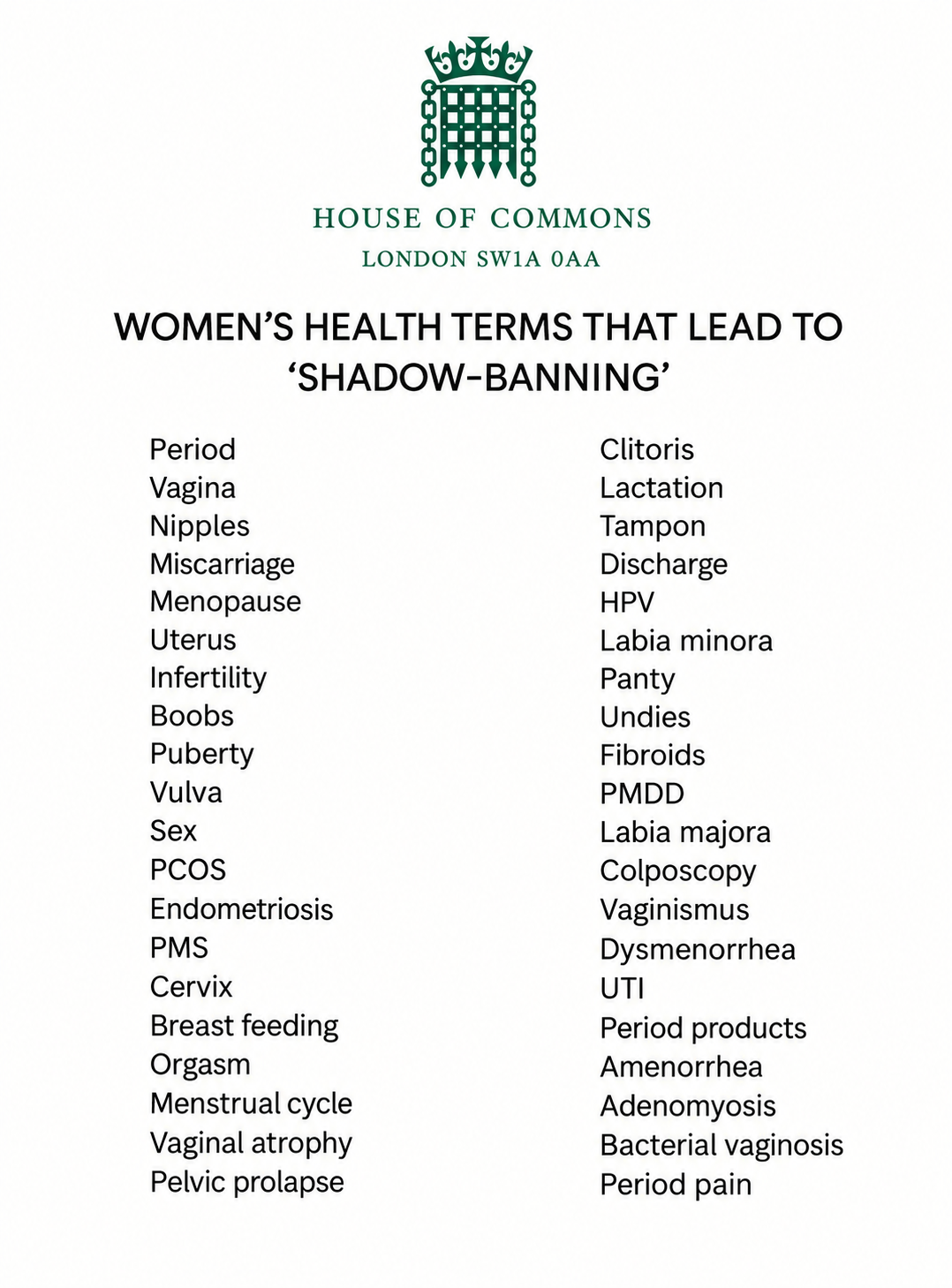
Some categories have an awareness problem. Others have a conversation problem.
Menstrual health falls squarely into the second camp.
Despite affecting roughly half the population for decades of their lives, menstruation remains one of the most under-discussed topics in health and wellness. Consumers experience it every month. Brands build billion-dollar businesses around it. Yet many people still hesitate to say the word "period" in professional settings, classrooms, or even at home.
What makes menstrual health particularly interesting from a marketing perspective is that it offers a masterclass in how brands can successfully engage consumers around topics that many would rather avoid. Whether the category is menstruation, menopause, incontinence, sexual wellness, or another sensitive subject, the challenge is often the same: how do you create engagement around something that makes people uncomfortable?
The brands making the greatest impact today are not avoiding those conversations. They are leading them.
Visibility Creates Trust
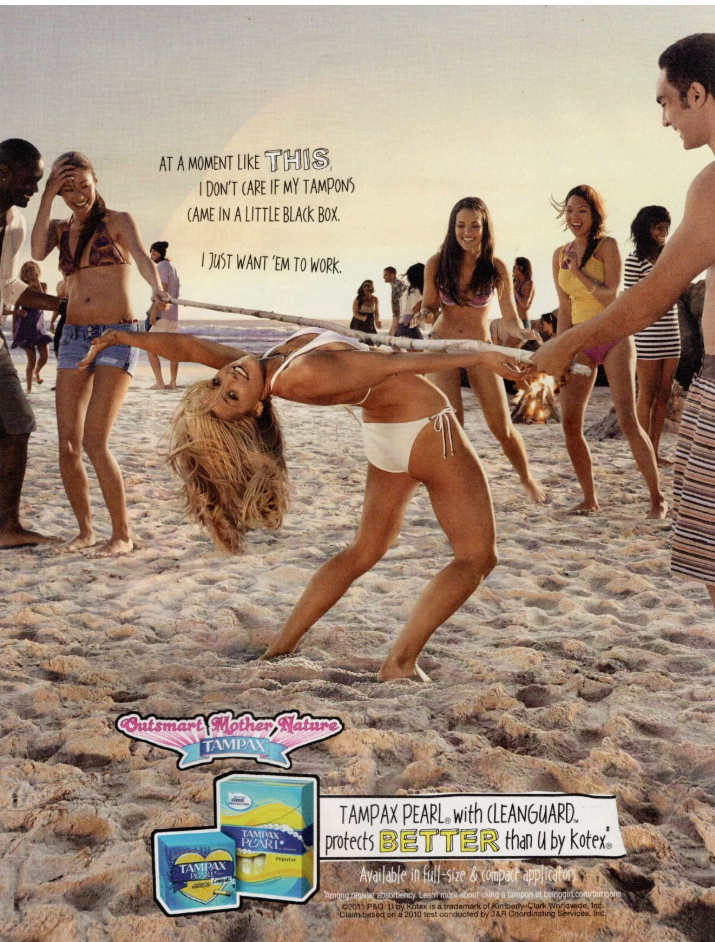
For decades, feminine care marketing focused on discretion. Advertising emphasized staying fresh, staying clean, and ensuring that nobody knew what was happening. Products were positioned as solutions that helped women conceal an experience rather than openly discuss it.
Many of today's most successful brands have taken the opposite approach.
Brands such as August, Cora, and a growing number of women's health startups have built their identities around openness, education, and normalization. Rather than treating menstruation as something that should remain hidden, they present it as a natural part of life that deserves honest conversation. The result is stronger consumer trust and deeper emotional connection, particularly among younger generations who increasingly expect authenticity from the brands they support.
This shift reflects a broader reality across health and wellness. Consumers dealing with sensitive issues often want to feel understood before they are sold to.
Making Invisible Problems Visible
One of the most talked-about menstrual health campaigns of 2026 didn't introduce a new product or a new technology.
Instead, South Africa's MENstruation Foundation partnered with agency Joe Public to distribute newspapers that appeared stained with menstrual blood. The campaign was designed to highlight period poverty and the millions of girls who still lack access to basic menstrual products.
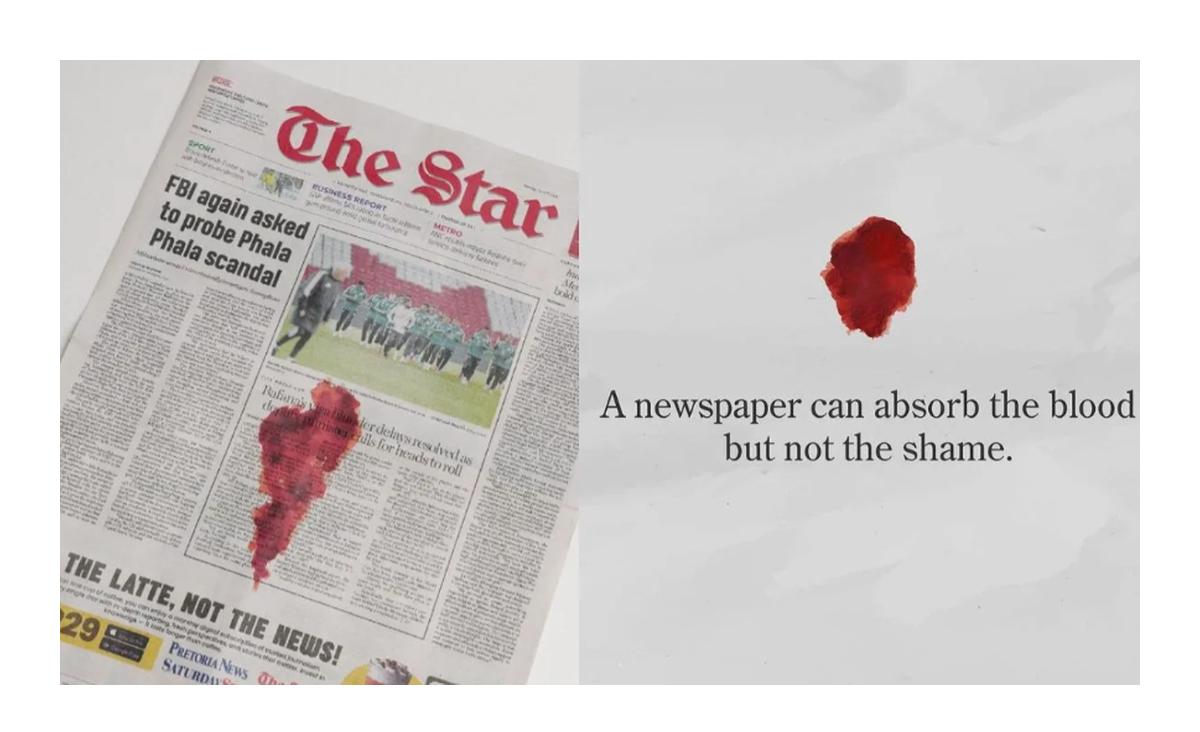
The execution was deliberately uncomfortable.
Readers were forced to confront something that is normally hidden from view. By bringing an invisible issue into public spaces, the campaign sparked conversation, media attention, and awareness far beyond what a traditional educational campaign could have achieved.
The lesson extends far beyond menstrual health.
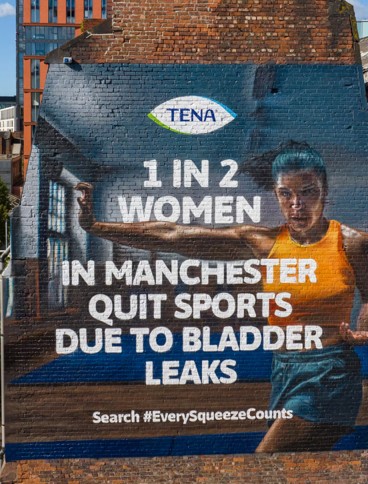
Many of the most successful campaigns in traditionally uncomfortable categories share a common characteristic. They make an invisible problem visible. Dove challenged unrealistic beauty standards. Always transformed the meaning of "Like a Girl." More recently, TENA reframed bladder leakage from an embarrassing secret into a reality experienced by millions of women.
These campaigns worked because they recognized that cultural barriers often represent a greater obstacle than product performance.
What Brand Leaders Can Learn
For marketers operating in categories that consumers may find uncomfortable, the temptation is often to soften the conversation, use euphemisms, or focus exclusively on functional benefits. While that approach can feel safer, it rarely builds meaningful connections.
The strongest brands begin by acknowledging the reality of the consumer experience. They understand that consumers are not simply purchasing products. They are seeking reassurance, validation, confidence, and understanding.
This requires a deeper level of empathy than traditional feature-and-benefit marketing. It means understanding not only the functional problem being solved, but also the emotional burden that consumers may be carrying. Feelings of embarrassment, shame, isolation, uncertainty, or frustration often shape behavior more powerfully than product attributes.
Brands that address those emotions directly create stronger loyalty because they become advocates rather than simply suppliers.
The Bigger Opportunity
The future of menstrual health is not simply about better products, smarter technologies, or more sustainable materials.
It is about continuing to dismantle the barriers that prevent open conversations about health.
For marketers, that may be the most important lesson of all.
The brands creating the greatest impact are not necessarily solving new problems. They are helping consumers talk about problems that have existed all along.
In a marketplace increasingly crowded with functional innovation, that ability to create understanding, visibility, and connection may be one of the most powerful competitive advantages a brand can build.

Annette is skilled at identifying growth opportunities and successfully guiding products from concept to launch. At Compass, she advises leading brands and category disruptors in the health & wellness, personal care and digital health sectors.
See All Works