For the past two years, the health and wellness industry has been captivated by GLP-1 medications. And for good reason. Prescriptions for GLP-1 agonists have more than tripled since 2020, fundamentally reshaping how consumers think about weight loss, metabolism, appetite, and preventative health.
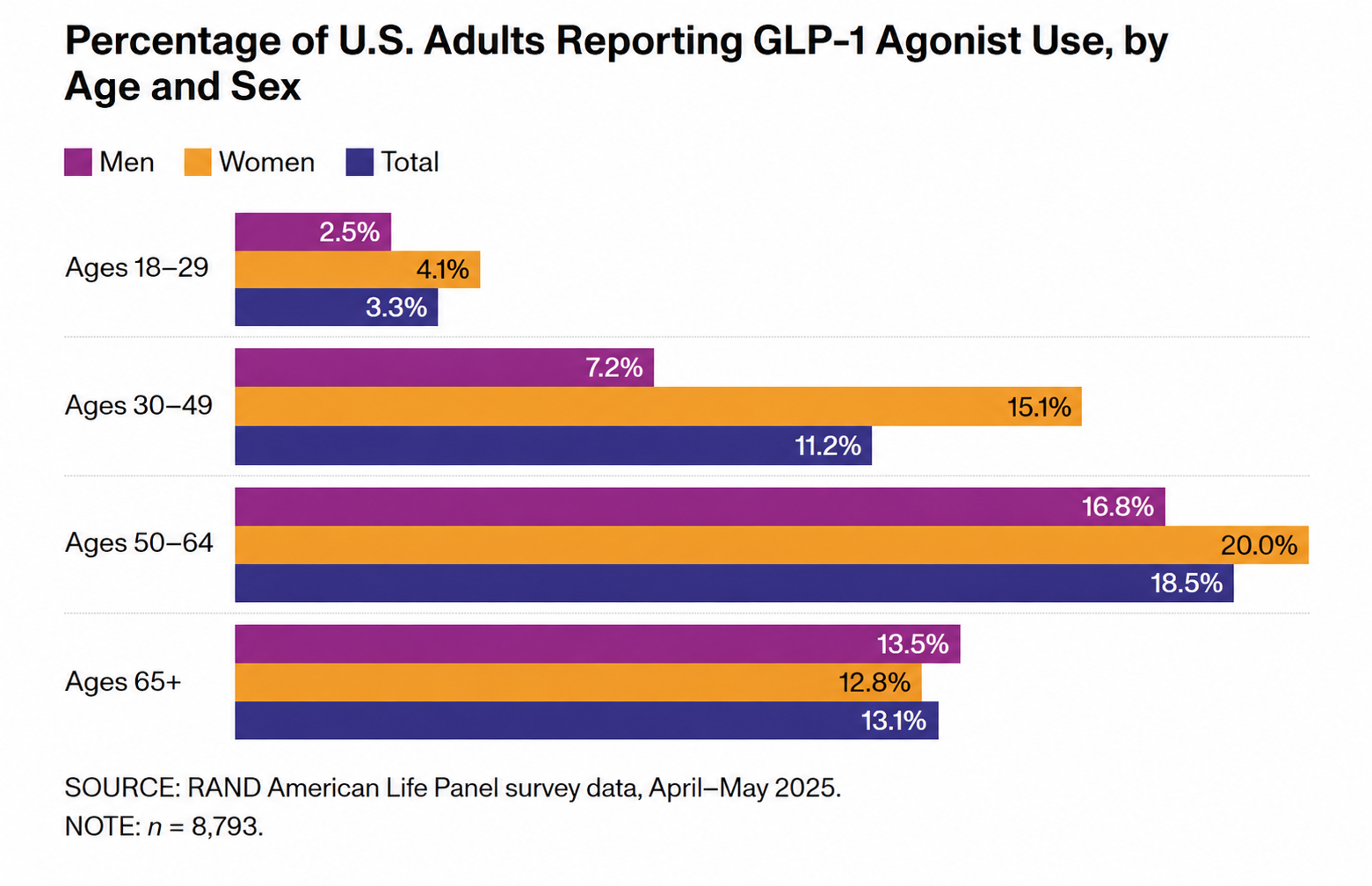
Today, nearly 1 in 8 Americans report having used a GLP-1 medication. Among women ages 50 to 64, usage climbs even higher, with approximately 20% reporting current or past use, making them the single highest-use demographic in the United States.
At the same time, these medications are already reshaping broader consumer behavior.
Research shows GLP-1 users are eating differently, shopping differently, and prioritizing healthier foods, protein intake, and wellness-focused routines. Some studies have shown GLP-1 users reducing processed food, soda, and refined grain consumption, while restaurant visits and impulse purchases also decline.
But much of the current market conversation still focuses on consumers while they are actively taking the medication. The larger opportunity may actually begin afterward.
Because the reality is this: most consumers do not stay on GLP-1s forever.
Studies increasingly show steep discontinuation rates within the first one to two years. Depending on the patient population, between 50% and 75% of users discontinue within the first year, often due to cost, side effects, insurance limitations, or difficulty maintaining treatment long term.
And when consumers transition off, they often face a complicated set of physical and emotional challenges that few brands are currently addressing.
This is where the next wave of innovation will emerge.
The “Post-GLP-1” Consumer Is Underserved
Consumers coming off GLP-1s are not simply returning to their “before” state. Many are entering an entirely new life stage that comes with its own tensions and unmet needs.
Weight regain anxiety
One of the greatest fears consumers express is regaining the weight they worked so hard to lose. And unfortunately, biology is often working against them.
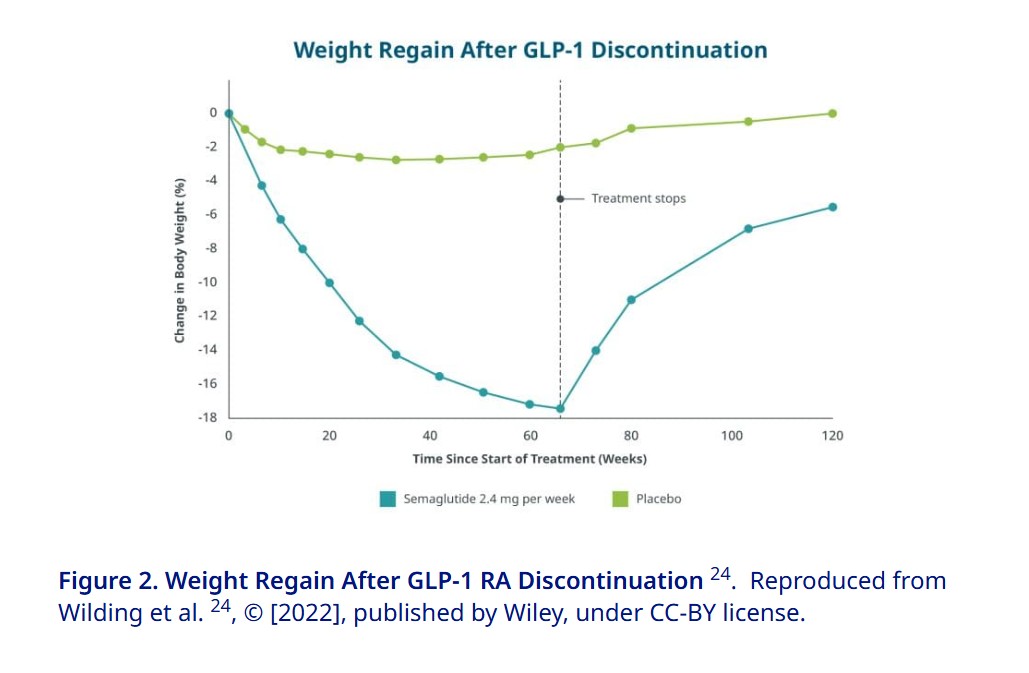
Research increasingly shows that consumers who discontinue GLP-1 medications often regain weight significantly faster than individuals who lose weight through lifestyle interventions alone, with some studies suggesting regain can occur up to four times faster. Even more concerning, much of the regained weight may come back primarily as fat rather than lean muscle, creating additional metabolic and healthy aging concerns.
Many consumers are left searching for sustainable routines, nutritional guidance, emotional support, and products that help them maintain progress without feeling deprived.
Muscle loss and frailty
Rapid weight loss can also come with unintended consequences.
Many consumers on GLP-1s lose lean muscle mass alongside fat. Some studies suggest patients can lose up to 10% of their lean muscle mass during treatment, an amount comparable to a decade or more of age-related muscle decline.
For women entering their 50s and 60s, this becomes especially concerning because they are already navigating natural muscle loss associated with perimenopause and menopause.
RAND researchers have specifically highlighted the need for more attention on the intersection between GLP-1 use, menopause, muscle preservation, and long-term metabolic health because this population has been largely overlooked despite representing one of the highest-use groups.
The result can be lower energy, weakness, reduced mobility, and increased frailty.
This creates major opportunity areas across:
• Protein and functional nutrition
• Strength-focused fitness programs
• Healthy aging solutions
• Recovery and mobility products
• Wearables and health tracking
• Supplement systems focused on muscle preservation and metabolic health
Skin, appearance, and “GLP-1 face”
Another growing conversation consumers are quietly navigating is the visual impact of rapid weight loss.

Loose skin, facial volume loss, thinning hair, and accelerated signs of aging are becoming increasingly common concerns, particularly among women already experiencing hormonal changes during menopause.
This has opened the door for a new intersection between:
• Beauty
• Wellness
• Healthy aging
• Dermatology
• Nutricosmetics
• Collagen and skin health innovation
Consumers are not simply seeking aesthetic improvement. They are trying to reconcile feeling healthier internally while not necessarily recognizing themselves externally.
Why Women 50+ Sit at the Center of This Opportunity
Women between 50 and 64 represent one of the largest and fastest-growing GLP-1 user groups. At the exact same time, many are also managing:
• Perimenopause
• Menopause
• Hormonal changes
• Sleep disruption
• Reduced muscle mass
• Bone health concerns
• Energy fluctuations
• Changing self-image
These consumers are not looking for isolated products. They are trying to rebuild a version of health that feels sustainable, manageable, and realistic after treatment. And many feel they are navigating this journey largely alone. Especially because an increasing number of GLP-1 prescriptions are now being distributed through telehealth platforms, where the ongoing lifestyle, emotional, and nutritional support can be limited once the prescription is written.
This creates a massive whitespace opportunity for brands willing to support consumers as they transition off medication and attempt to maintain the progress they fought hard to achieve.
The Brands Beginning to Understand the Shift
This creates entirely new opportunity areas for brands that may have never previously considered themselves part of the GLP-1 conversation.
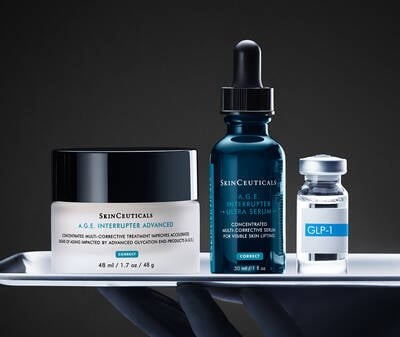
Rapid weight loss can accelerate visible aging concerns including facial volume loss, skin laxity, and deeper wrinkles, particularly among women already navigating menopause-related skin changes.
Products like SkinCeuticals AGE Interrupter suddenly become highly relevant within the post-GLP-1 journey because they directly address one of the most emotional side effects consumers experience after dramatic weight loss: not recognizing themselves in the mirror.
Hair thinning is becoming another increasingly discussed post-GLP-1 concern.
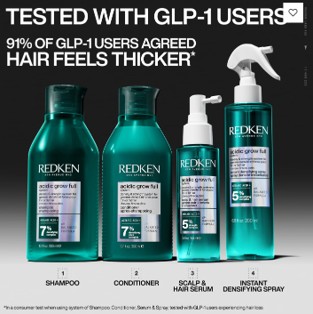
Whether tied to rapid weight loss, nutritional deficiencies, hormonal fluctuations, or stress on the body, many consumers are actively looking for solutions that help restore hair strength, density, and resilience.
This creates new relevance for brands like Redken that can credibly support repair, strengthening, and regrowth conversations.
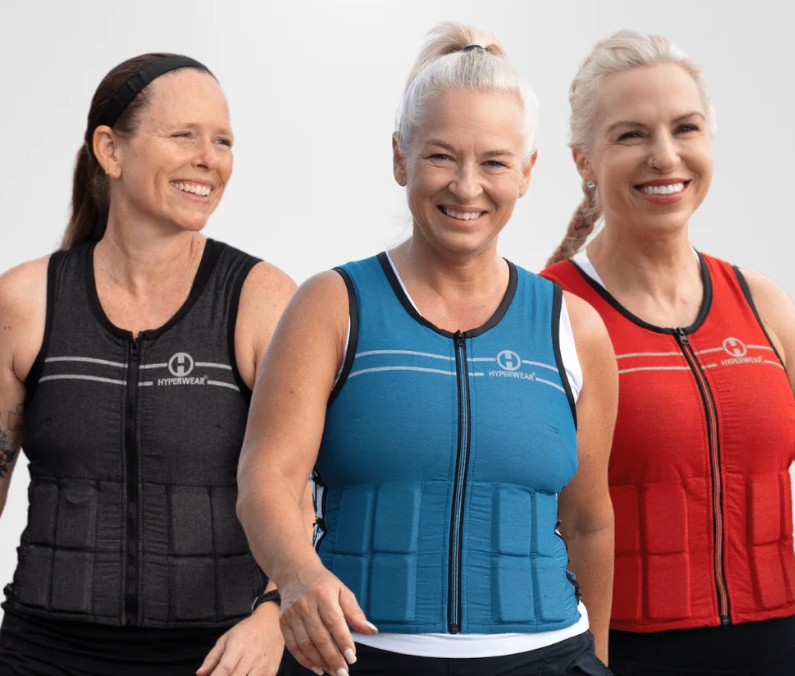
Hyperwear Weighted Vests
One of the largest long-term concerns surrounding GLP-1 use is muscle loss.
Consumers who lose significant weight often discover afterward that they also lost strength, endurance, balance, and overall physical resilience.
This creates major opportunity for brands supporting resistance training, strength rebuilding, and healthy aging. Products like Hyperwear weighted vests align directly with the growing need to help consumers rebuild lean muscle mass and maintain mobility as they transition off medication.
Importantly, none of these brands are “GLP-1 brands.”
And that is exactly the point.
The next phase of growth will likely come from brands that recognize how dramatically consumer needs change after GLP-1 use and identify where their products can authentically help consumers navigate that transition.
Five Considerations for Brands Entering the Space
1. Help consumers rebuild physical confidence
For many consumers, coming off GLP-1 medications can feel physically disorienting.
Energy levels fluctuate. Hunger cues change. Strength may feel diminished. Some consumers worry about regaining weight, while others struggle with loose skin, muscle loss, or simply not recognizing themselves after such a rapid transformation.
The brands that will matter most are the ones that acknowledge how difficult this transition can be and actively help consumers navigate it in realistic, sustainable ways.
2. Help consumers rebuild emotional confidence
Just as importantly, brands should speak to consumers with empathy rather than judgment.
Coming off medication can feel emotionally vulnerable. Consumers do not want to feel like they are failing once treatment ends. They want support, reassurance, and practical tools that help them maintain progress without completely overhauling their lives.
The brands that succeed will make consumers feel seen, understood, and supported during one of the most vulnerable phases of the GLP-1 journey.
3. Recognize the overlap with menopause and healthy aging
For many women, GLP-1 use is not happening in isolation.
It sits within a much larger health journey involving hormones, aging, sleep, stress, bone density, muscle maintenance, and appearance-related concerns.
4. Build ecosystems, not isolated products
Consumers increasingly need integrated support. What is happening now is that consumers are already trying to build these systems themselves.
They are “health stacking” across multiple brands, apps, supplements, fitness programs, diagnostics, and wellness routines in an attempt to create a more complete transition plan as they off-ramp.
The future opportunity lies in connected ecosystems that simplify complexity, guide behavior, and help consumers feel supported across their entire health journey rather than solving only one isolated problem.
5. Prove that you can genuinely help
Consumers increasingly want evidence that a product or solution will meaningfully improve their daily lives, whether through visible results, expert validation, clinical support, or real customer outcomes.
Brands that combine emotional understanding with credible proof of impact will build far deeper trust than those focused solely on transformation imagery or rapid results.
The Next Chapter of GLP-1 Innovation
The GLP-1 conversation is rapidly evolving beyond weight loss alone. As millions of consumers eventually transition off these medications, entirely new needs are beginning to emerge:
• Preventing rapid weight regain
• Rebuilding lean muscle
• Maintaining energy and mobility
• Addressing hair thinning and skin aging
• Establishing sustainable routines that feel manageable long term
The brands that will lead in this space are those that identify the unmet needs and develop solutions consumers genuinely need as they off-ramp from treatment.
At Compass Marketing, we spend a great deal of time helping brands identify these types of emerging whitespace opportunities. It starts with understanding how consumer expectations, behaviors, and anxieties are shifting in real time, then translating those insights into actionable growth strategies, innovation platforms, positioning opportunities, and product direction.
The next wave of GLP-1 opportunity is all about helping consumers successfully sustain the life they are trying to build afterward.

Lynda is a consumer marketing expert with a track record of successful U.S. and global product launches. She has created new product innovations across consumer wellness, from personal care to digital health. She is a founding partner of Compass Marketing.
See All Works